Your first steps out of bed feel like walking on a stone bruise. It loosens up as you move, so you keep playing, and every morning it is back, sometimes worse after the days you were most active.
That pattern has a name, and most of the standard advice treats it as the wrong problem. If you are months into stretches, new shoes, and an insole that helped a little, here is what the evidence actually supports and where care earns its cost.
First-Step Heel Pain: The Plantar Fasciitis Signature
Plantar fasciitis is pain where the plantar fascia, the thick band of tissue holding up your arch, anchors into the heel bone. The tell is timing:
- Worst with the first steps in the morning or after long sitting
- Eases as you warm up, then often returns after activity, not during it
- Tender to direct pressure on the inside edge of the heel
- Flares after load spikes: a tournament weekend, a new running block, a vacation full of walking
Pain that burns, tingles, or radiates, or heel pain that is worse at rest, points away from the fascia. Those look-alikes matter, and they get their own section below.
What Causes Plantar Fasciitis
The fascia is a spring that tensions every time your heel rises and your toes bend. Give it more load than it can recover from, repeatedly, and the tissue falls behind on repair.
Under a microscope, the result is not inflammation. It is degeneration: disorganized collagen and micro-tears, which is why the modern clinical term is plantar fasciopathy. That distinction explains a lot of failed self-treatment, because anti-inflammatory pills showed no benefit over placebo out to six months. There is little inflammation to fight.
The usual contributors: a jump in training or standing volume, and tight calves that transfer extra pull to the fascia. Add foot mechanics on either extreme (flat or high-arched), body weight as part of the load, and age between 30 and 60, when tissue recovers more slowly.
Runners, court athletes, and people who work on their feet fill most of the caseload.
Heel Spur or Plantar Fasciitis?
If an X-ray showed you a heel spur, here is the reassuring part: most heel spurs cause no pain at all. Plenty of pain-free feet have spurs, and plenty of painful feet have none.
The spur is usually a bystander that grew where the fascia pulls on the bone. The fascia is the structure that hurts, and it is the structure treatment targets. Removing or dissolving the spur is almost never the answer.
How Long Plantar Fasciitis Lasts
This is where honest numbers change decisions. The internet’s favorite line is that 80 percent of cases resolve within a year. The study behind that figure describes people who were receiving proper treatment, not people waiting.
Left untreated, the picture is slower. In a study that followed untreated feet for years, 8 in 10 people still had symptoms at one year, and among those whose pain did eventually resolve, the average duration was about two years.
With structured care, newer cases often improve within 6 to 12 weeks. Pain that has lasted many months takes longer, and for feet that have hurt a year or more, Dr. Vlad quotes 3 to 6 months from day one.
Does Physical Therapy Work for Plantar Fasciitis?
The honest answer has three parts.
First, the guideline: the American Physical Therapy Association’s current recommendation is strengthening over stretching alone, with hands-on manual therapy carrying evidence of its own.
In the trial that put strength work head-to-head against stretching, the strength group was about 30 points better on a 100-point foot-function scale at three months. That is the window an active person cares about. The groups had converged by a year.
Stretching deserves one honest note here. The evidence grades it as real but modest, and Dr. Vlad respects it for personal reasons too. His own father ended years of morning heel pain with a three-minute slant-board calf stretch, done before every single run, every day, for months. A client once told him the same raised-surface stretch helped her more than anything else. The lesson he takes from both is not that stretching is magic. It is that the feet that get better get consistent, daily work, and a good plan loads the foot as well as lengthening the calf.
Second, the honest caveat: for a mild, recent, textbook case, a well-built home loading program can genuinely work, and trials say a handout version of it can do respectable work too. If that is you, try it seriously before you spend money on anyone.
Third, the part the trials keep showing: exercise alone, under-dosed, is often not enough. In one study, most people doing exercise-only care had not reached an acceptable state at 12 weeks.
And when researchers combined 24 trials to ask what adds meaningful relief on top of exercise, the best-supported answers included dry needling and hands-on manual therapy, the tools a sheet of paper cannot deliver.
Common Assumption
I already tried exercises for it, so physical therapy has nothing new to offer.
What the Research Shows
Exercise alone often stalls. Across the combined trials, the added relief comes from correct loading dose plus hands-on treatment, dry needling and manual therapy among the best supported, delivered alongside the exercise.
Where Cortisone, Splints, and Insoles Fit
A cortisone shot brings real relief that the research shows is gone within about six weeks to a few months. It also carries two risks that matter if you are active. The first is rupture of the fascia itself, at a roughly 2 percent rate that rises with repeat injections. The second is thinning of the heel’s fat pad, the cushioning you land on every stride.
Cortisone can get you through an important event, but it does not fix the fascia.
Night splints, insoles, and taping all have a place, and the same honest label applies to each: they manage symptoms while something else rebuilds capacity. The details live in the FAQ below.
For stubborn cases there are stronger tools, from dry needling to shockwave therapy, and both pages cover their evidence in detail. The consistent finding across all of them: they work best combined with a loading program.
When Heel Pain Is Not Plantar Fasciitis
Stubborn heel pain that ignores months of treatment is sometimes not plantar fasciitis at all. The research suggests roughly 1 in 5 chronic cases is actually a compressed nerve, Baxter’s nerve, running under the heel and frequently misdiagnosed. The plan for that is different.
Also on the checklist before more self-treatment:
- Stress fracture of the heel bone, which needs offloading, the opposite of a loading program
- Fat-pad atrophy, especially after previous cortisone shots
- Nerve pain referred from the back or ankle, which burns and tingles rather than aches
Ruling these out is part of a real evaluation, and one of the strongest reasons not to spend a second year self-treating the wrong diagnosis. Dr. Vlad screens for all three at the first evaluation, and if your heel has ignored months of treatment, that screening alone is worth the free call.
Staying Active While the Heel Heals
Rest is not the plan. The guidelines call for managing load, not eliminating it, and one trial found a simple four-week walking program improved plantar heel pain rather than worsening it.
Managed activity usually means:
- Trim the spike, keep the sport. Reduce the volume that lit the heel up, not the calendar entry itself
- Tape for the heavy days. Arch-support taping has evidence for up to six weeks of pain reduction, enough to bridge a season
- Warm the calf before load. The first minutes are the enemy; a warmed-up fascia complains less
Return to full running or court volume is judged by checkpoints: morning pain settling, single-leg heel raises comparable side to side, and load increases that do not flare the heel the next morning.
How Dr. Vlad Approaches Plantar Fasciitis
A plan here works the whole chain, not just the sore spot, with every visit a full private hour:
- Confirm the diagnosis. Pressure-testing the fascia, checking the nerve paths and the heel pad, so months of effort do not go into the wrong problem.
- Treat the tissue by hand. Manual therapy through the fascia and the calf complex, with dry needling of the calf and, when tolerated, the fascia itself, plus cupping or muscle scraping where they fit.
- Load the foot back up. Calf and foot-intrinsic strengthening through corrective exercise, progressed weekly, plus the hip and leg work that controls how the foot lands.
- Keep you moving. Taping, footwear guidance, and activity modifications that hold your training together while the heel rebuilds.
Dr. Vlad is upfront about two things at the first visit. Chronic feet take months to rebuild, however the visits are scheduled. And the exercise program you run between visits matters as much as the sessions themselves, because that is where the tissue actually changes.
Plantar Fasciitis Help in West Boca Raton
Dr. Vlad treats plantar fasciitis in West Boca Raton for runners, pickleball and tennis players, and people who spend their workdays standing, one-on-one from the first evaluation through return to sport.
The timeline data is the reason to act: untreated, the average case runs years, not weeks. If your mornings have hurt for months, book the free call and talk it through with Dr. Vlad.
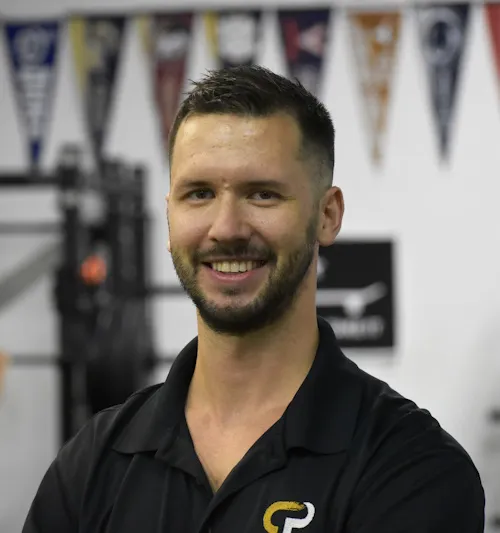
Who you work with
Every session is one-on-one with Dr. Vlad
Physical Therapy Doc is a one-clinician practice. Every evaluation, treatment, and training session is done by Dr. Vlad himself.
- DPT and CSCS. A doctor of physical therapy and a certified strength coach in one, so the person treating the injury is also qualified to load you back to full performance. Fewer than 4% of physical therapists hold both credentials.
- One-on-one, every session. The same clinician who assessed you treats you, start to finish. No aides, no handoffs.
- Inside Costa Performance. A performance training gym in West Boca Raton, with everything needed to go from the treatment table back to full training.
Where to find us
Serving West Boca Raton and surrounding communities
Physical Therapy Doc is located inside Costa Performance gym at 10018 Spanish Isles Blvd, Suite A52, between Clint Moore and Yamato, just off US-441.
Athletes and active adults come to us from St. Andrews, Broken Sound, Seven Bridges, and the tennis, golf, and pickleball communities across West Boca, Delray Beach, and Boynton Beach. They come for one-on-one care the standard clinic model does not offer.
Frequently asked questions
Why does plantar fasciitis hurt most with the first steps in the morning?
Overnight, your foot relaxes into a pointed position and the fascia rests in its shortened state. The first steps of the morning stretch that irritated tissue cold, all at once, under your full body weight.
That is why the first minutes are the worst and why the pain often eases as you warm up. The same thing happens after long sitting, which is why the walk after a movie or a car ride can sting too.
How much does plantar fasciitis treatment cost, and do you take insurance?
Physical Therapy Doc is a self-pay practice, and FSA and HSA funds work here. Every visit is a full hour, one-on-one with Dr. Vlad, covering the hands-on work and the strength program in the same session.
How often you come in depends on your case; plans run anywhere from once to three times a week. On the free call, Dr. Vlad listens to what is going on with your foot, and if an evaluation is the right next step, you get its exact cost right there.
Will plantar fasciitis go away on its own?
Sometimes, but slowly. In one long-term study, 8 in 10 people still had symptoms a year in, and among those whose pain eventually resolved, the average run was about two years.
The often-quoted reassurance that 80 percent get better within a year describes people who were getting proper treatment, not people waiting it out. If your mornings have hurt for months already, the wait-and-see plan is the slowest option on the table.
Should I get a cortisone shot for plantar fasciitis?
It buys real relief for a few weeks, and the research shows the advantage is gone by six weeks to a few months. It also carries two risks aimed at the worst spot for an active person. One is rupture of the fascia itself, at roughly a 2 percent rate that climbs with repeat shots. The other is thinning of the heel's fat pad, the cushion you land on.
For most active people the shot buys time without fixing the problem, and Dr. Vlad will tell you honestly if your case is one where it makes sense to discuss with your physician.
Do night splints work for plantar fasciitis?
They help some people, mostly with the morning pain, and mostly in cases that have lasted more than six months. In one trial, about 7 in 10 users were satisfied, but only about a third were actually pain-free, and splints have not been shown to prevent the problem from coming back.
A splint manages the morning; it does not rebuild the foot. It earns a place alongside the loading work that fixes the cause.
What shoes or insoles should I get for plantar fasciitis?
Supportive shoes and an off-the-shelf insole can genuinely reduce pain in the early months, and the research found custom orthotics were no better than the prefabricated kind at three and twelve months.
The guideline position is the useful part: inserts should never be the whole treatment. They quiet the symptoms while something else fixes the capacity of the foot, and that something else is loading work.
Does taping help plantar fasciitis?
Yes, short term. Taping that supports the arch has evidence for reducing pain for up to about six weeks, which makes it one of the more useful bridges in this condition.
Dr. Vlad uses it the way the evidence supports: tape to keep you walking and training while the strength work takes hold, not as the treatment itself.
How many PT sessions does plantar fasciitis take?
The honest ranges: newer cases often make clear progress inside 6 to 12 weeks, and feet that have hurt for a year or more usually need 3 to 6 months.
What matters most across that time is consistency: the loading program done through the week is where the tissue actually changes.
When is surgery needed for plantar fasciitis?
Rarely. Surgery is a last resort, generally considered only after 6 to 12 months of genuinely well-run conservative care has failed, and results vary.
Almost everyone with this condition resolves it without an operation. If someone offers surgery early, get a second opinion, because the ladder of effective non-surgical options is long and most of it has probably not been properly tried yet.
Not sure if this is the right fit?
Book a free phone consultation with Dr. Vlad. Tell him what is going on, and he will tell you honestly whether he can help and what that would involve.
Book a Free Phone ConsultationFree 15 min call with Dr. Vlad Madorsky, PT, DPT, CSCS